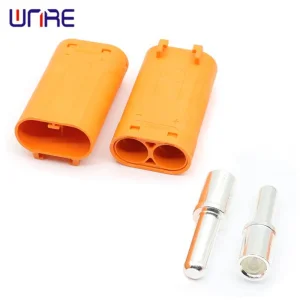
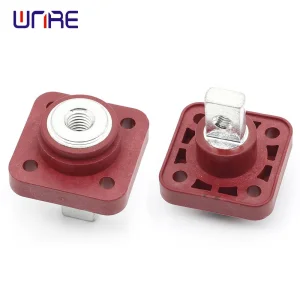
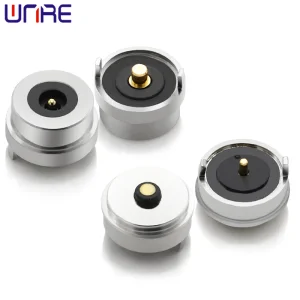
Engineered for low contact resistance and high corrosion protection in humid tropical environments.
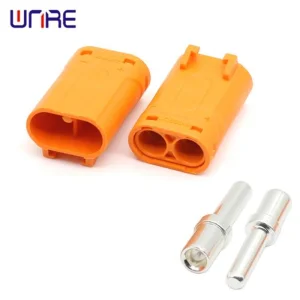
An authoritative analysis on high-current power connection requirements in saline, tropical microgrids.
The Commonwealth of the Bahamas, consisting of over 700 islands and cays, faces distinct infrastructural challenges. With the national initiative to transition towards 30% renewable energy by 2030, distributed off-grid solar microgrids are rapidly replacing legacy diesel generators on family islands like Abaco, Eleuthera, and Exuma. At the center of these battery energy storage systems (BESS) are high-capacity, low-resistance DC connectors that can withstand persistent atmospheric salt spray, high humidity, and extreme thermal cycling.
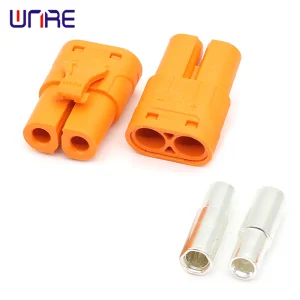
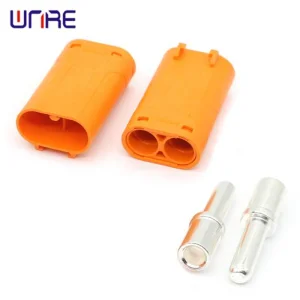
Simultaneously, the marine sector is shifting from internal combustion engines to hybrid electric propulsion systems for yachting, sports fishing vessels, and passenger ferries. High-current connectors, notably heavy-duty variants of XT and spring-loaded plug systems, are critical in transmitting power from lithium battery banks to motor controllers without excessive thermal losses.
In hot, high-humidity, marine-coastal zones like Nassau and Freeport, standard electrical connections degrade rapidly due to galvanic corrosion and oxidation. Traditional tin-plated contacts suffer from increased contact resistance, leading to thermal runaway and localized circuit failures. Our heavy-duty connector lines utilize oxygen-free red copper bases heavily plated with high-purity silver or gold. This metallurgy ensures the lowest possible contact resistance (<0.5mΩ) and eliminates localized heating risks, even when handling continuous loads up to 150A.
Combining Yueqing's industrial supply chain with Shenzhen's cutting-edge R&D ecosystems.
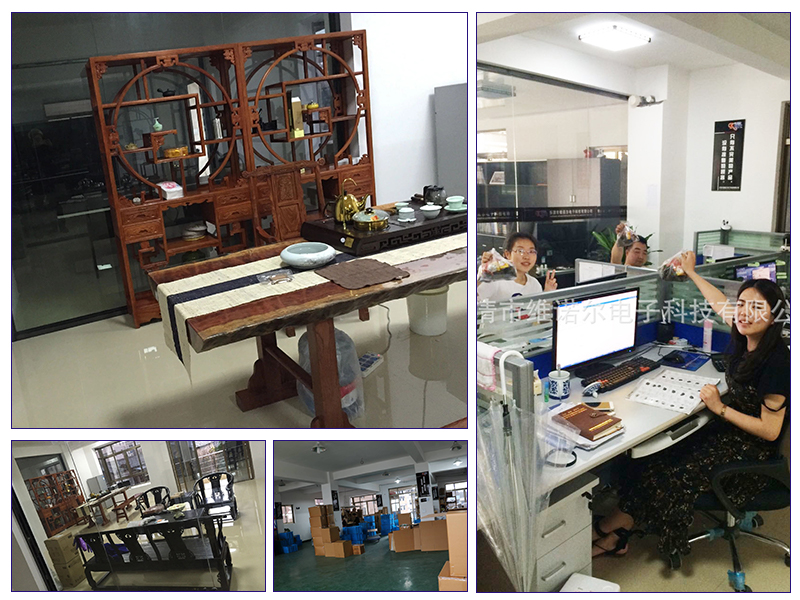
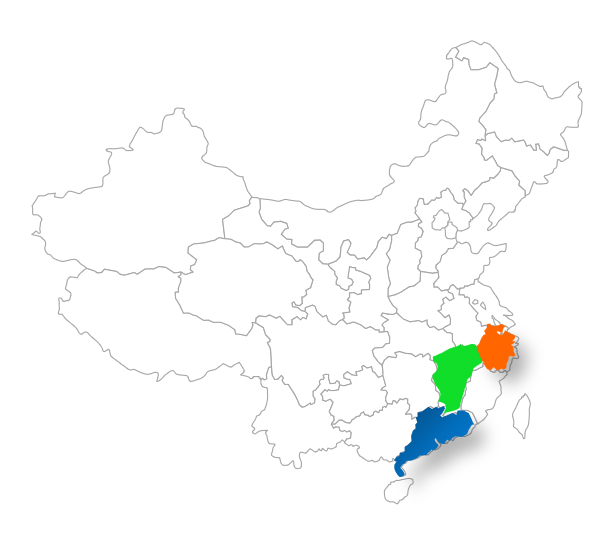
Located in Yueqing, Zhejiang—the national capital of electronic and electrical distribution in China. This strategic location enables us to source raw materials, execute high-speed metal stamping, and manage plastic injection processes within a hyper-localized ecosystem. This vertical integration reduces manufacturing lead times by 30-40% compared to Western counterparts.
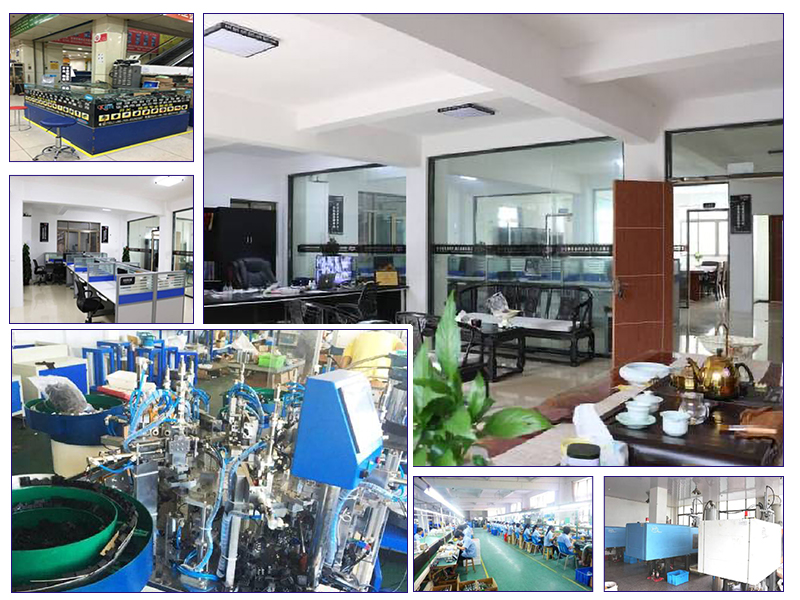
Operating a massive 5,000 square meter facility in Jiangxi with over 200 trained technicians allows us to process high-volume OEM orders at lower margins. Automation of high-precision assembly lines guarantees consistent dimensional stability, reducing defects to less than 50 PPM (parts per million).
Our dedicated branch in Shenzhen maintains direct partnerships with Shenzhen University's engineering departments. This collaboration drives research into high-frequency signal integrity and advanced polymer research, enabling us to customize connectors for complex telemetry and power-distribution needs.
Purchasing components for delivery to Nassau, Freeport, or direct-to-island solar sites requires clear understanding of shipping pipelines and international quality benchmarks. B2B procurement managers in the Bahamas typically rely on freight forwarders out of Miami, Florida, or utilize direct shipping routes from Chinese ports like Ningbo or Shenzhen.
To facilitate immediate integration into public grid systems and commercial marine vessels, our connector products comply with internationally recognized regulatory standards. Our QA processes align with ISO 9001:2015, and our key connector lines carry certifications from UL, VDE, and ENEC. This simplifies compliance audits for Bahamian contractors working under Bahamas Power and Light (BPL) or Grand Bahama Power Company (GBPC) grid codes.
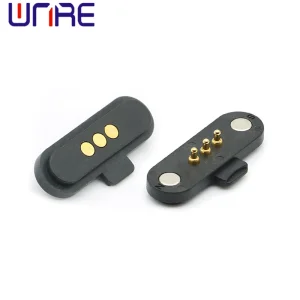
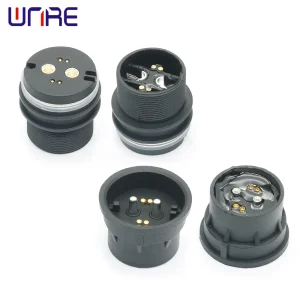
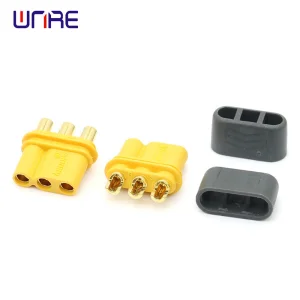
A complete selection of high-current power plugs, 3-pin battery sockets, and mini DC terminals.
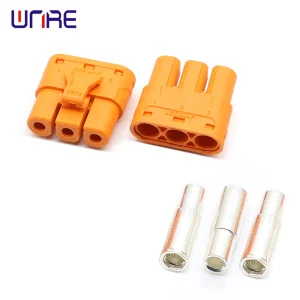
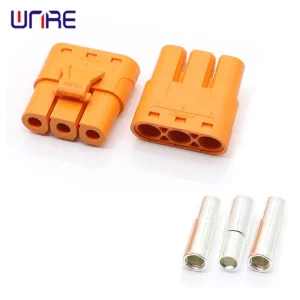
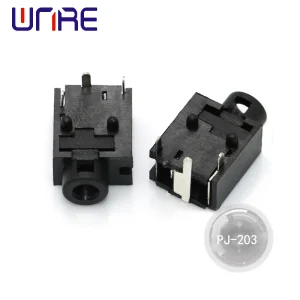
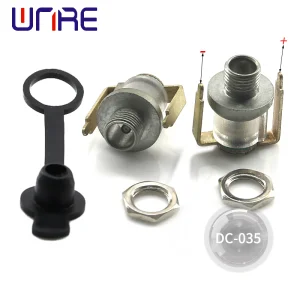
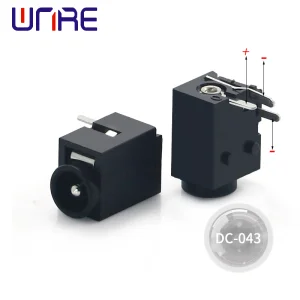
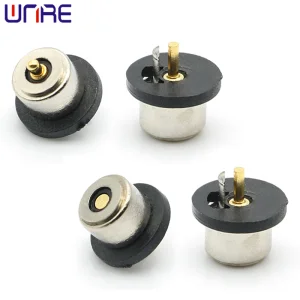
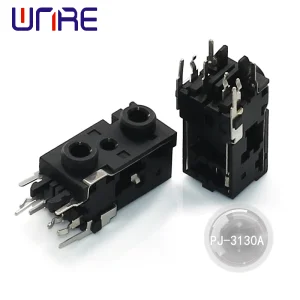
Exploring magnetic adsorption, automotive pin headers, and LiPo battery connections.
Proven regulatory alignment ensuring seamless global deployments.
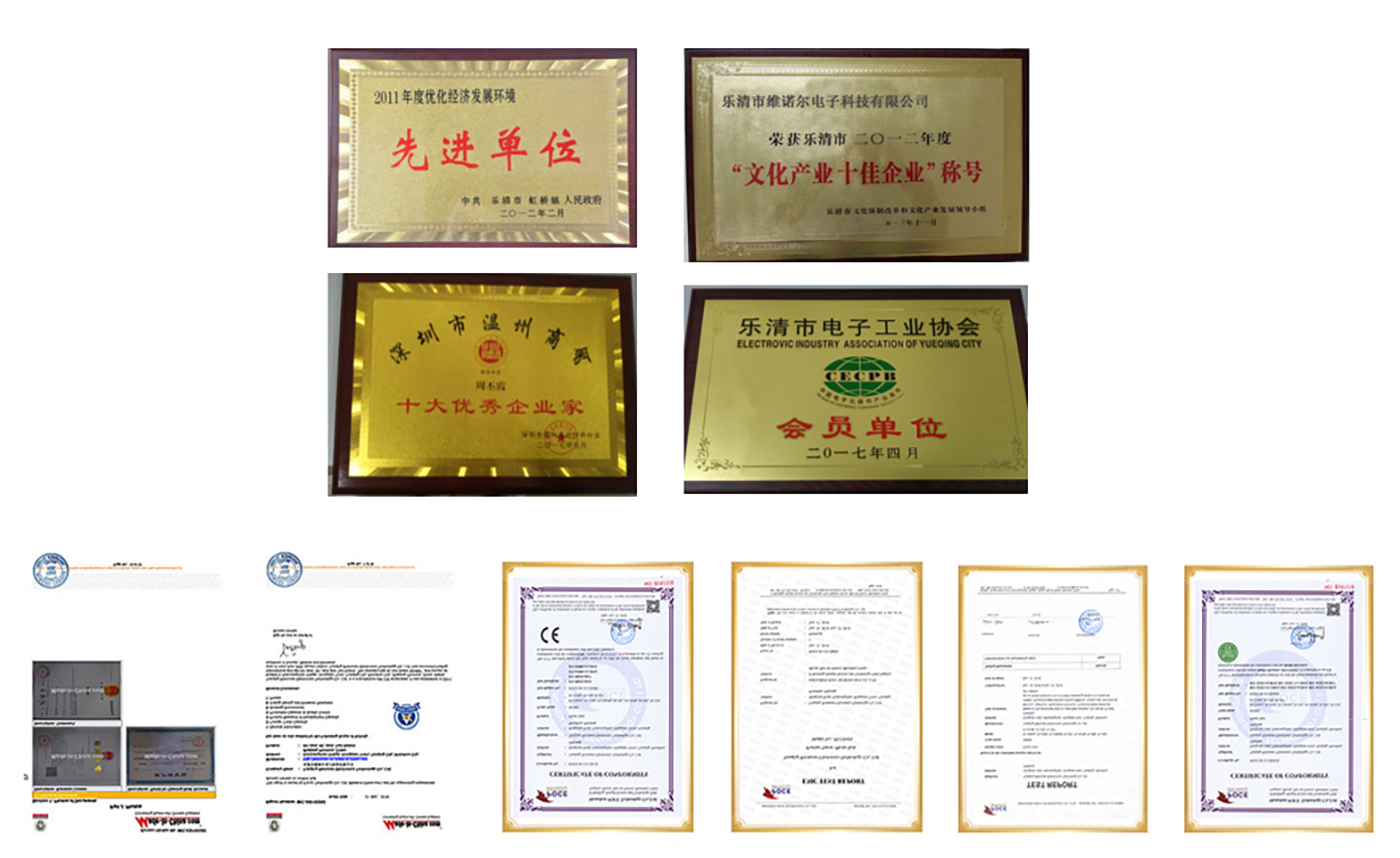
Our manufacturing complex is built on a foundation of strict quality control. Originally certified to ISO 9001:2015 in 2005, we have sustained a long-standing culture of rigorous product evaluation. In collaboration with electrical engineering departments at Shenzhen University, our in-house lab subjects our connectors to critical stress tests, including high-humidity thermal chamber cycling, mechanical insertion life testing, and specialized saline mist exposure chamber tests.
Most of the high-current XT, LCB, and LCC plug series shown on our website carry official verification stamps showing compliance with UL, VDE, and ENEC electrical codes. For contractors executing infrastructure development in Bahamas tourist regions and off-grid cay networks, these documents ensure clear qualification pathing for structural approvals.
Answers to essential engineering and logistics questions from Bahamas procurement departments.
 Weinuoer