Animal identification is an essential aspect of modern farming. As global demand for livestock products grows, effective tracking methods become crucial. Various technologies have emerged to meet this need. These innovations help enhance food safety, traceability, and animal health management.
From RFID tags to biometric systems, the top technologies vary in effectiveness and application. Farmers and businesses often grapple with choosing the right system for their needs. Each method has its benefits and limitations. Understanding these technologies is vital for successful animal management.
Investing in reliable animal identification systems can improve operational efficiency. However, challenges remain. Not all solutions are universally applicable. Buyers must consider factors like cost, scalability, and regulatory compliance. Ultimately, the goal is to find the best fit for specific agricultural practices.
Top 10 Animal Identification Technologies for Global Buyers
Animal identification technologies have evolved significantly. These advancements are crucial for management in agriculture and wildlife conservation. According to a report by MarketsandMarkets, the global animal identification market is projected to reach $4.65 billion by 2025. This growth highlights the growing importance of accurate animal tracking.
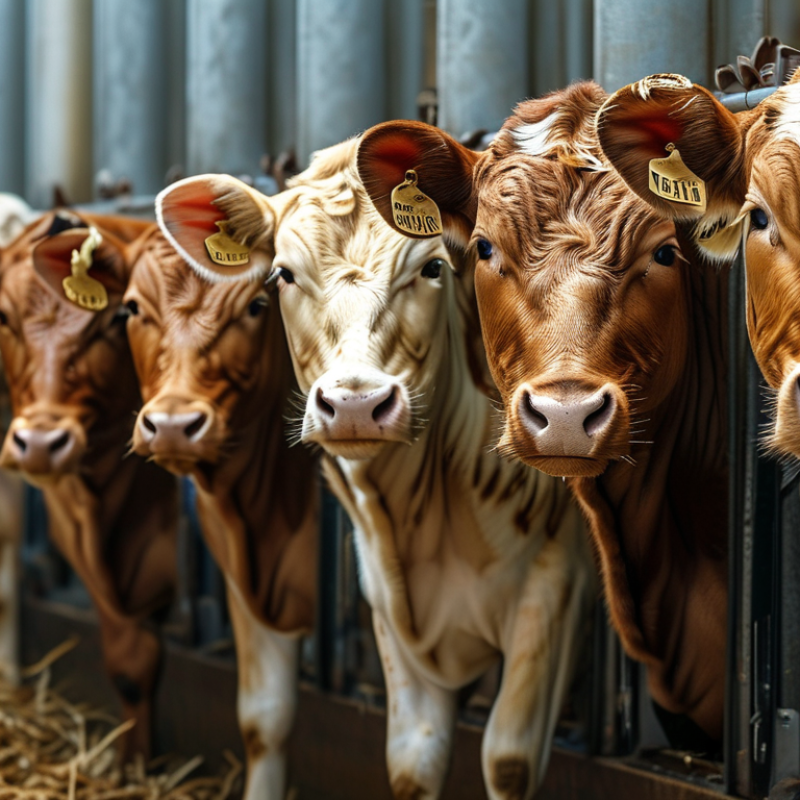
RFID (Radio Frequency Identification) is one of the most efficient methods. It enables real-time data collection and monitoring. Studies show that RFID tags reduce livestock handling time by up to 30%. This efficiency can lead to increased productivity. Visual identification methods, although simple, still play a role. They are often used for smaller operations but lack the precision of electronic methods.
Barcode technology is another reliable option. While it may not be as high-tech as RFID, it offers a cost-effective solution for many farmers. The simplicity of barcodes makes them easy to implement, yet they require manual scanning. Ultimately, as animal farming practices adapt, the implementation of multiple technologies will likely continue to increase. Stakeholders must carefully consider their needs before making technology choices. Finding the ideal balance may take time and reflection.
Overview of Animal Identification Technologies and Their Importance
Animal identification technologies play a crucial role in managing livestock and ensuring food safety. A report by MarketsandMarkets projects that the global livestock identification market will reach $9.8 billion by 2025, reflecting its growing importance. These technologies enhance traceability of animal products, helping to mitigate disease outbreaks and ensure compliance with safety regulations. RFID tags, for example, are widely adopted, improving accuracy in tracking animals.
Effective animal identification reduces the risk of disease transmission. In a study published by the Food and Agriculture Organization (FAO), it was noted that robust identification systems could decrease the spread of livestock diseases by up to 30%. This data underscores the value of investing in proper identification technologies to enhance biosecurity measures.
Consider implementing multiple identification methods to maximize efficiency. Digital and manual tracking can work in tandem, providing backup in case of technological failures. Regularly reviewing the effectiveness of chosen systems is vital. The landscape of animal identification is constantly evolving, demanding that businesses remain agile and informed.
Top 10 Animal Identification Technologies for Global Buyers
| Technology |
Type |
Accuracy |
Range |
Cost |
| RFID Tags |
Active/Passive |
High |
Up to 10 meters |
$0.10 - $5.00 per tag |
| Microchip |
Passive |
High |
1-5 cm |
$20 - $50 |
| GPS Tracking |
Active |
Very High |
Global |
$50 - $300 |
| Barcode Systems |
Optical |
Medium |
Line of sight |
$0.05 - $0.50 per label |
| Facial Recognition |
Biometric |
Very High |
Various |
$500 - $1000 |
| Ear Tags |
Passive |
Medium |
5-15 meters |
$0.50 - $2.00 |
| DNA Analysis |
Genetic |
Very High |
N/A |
$100 - $500 |
| Image Recognition |
AI-Based |
High |
Various |
$200 - $1000 |
| Electronic Identification |
Integrated |
High |
Up to 20 meters |
$10 - $200 |
| Weight Sensors |
Analytical |
High |
N/A |
$100 - $450 |
Analysis of RFID Technology in Livestock Management
Radio Frequency Identification (RFID) technology revolutionizes livestock management. This system uses radio waves to track and identify animals. RFID tags are attached to livestock, providing unique identifiers for each animal. Farmers can monitor health, feeding, and breeding effectively. According to a report by Research and Markets, the RFID industry is projected to grow at a CAGR of 10.5% until 2025, indicating a rising adoption in the agriculture sector.
Implementing RFID helps reduce human error in record-keeping. Traditional methods often lead to data inaccuracies. RFID ensures real-time updates, enhancing traceability from farm to table. A study from the Journal of Animal Science shows that farms using RFID saw a 15% reduction in labor costs. This brings efficiency into daily operations. However, initial costs can be a barrier for smaller farms.
Data security remains a concern. Integrating RFID can expose sensitive information if not managed properly. Farmers need to weigh benefits against potential risks. Good practices include regularly updating software and training staff on data privacy. This proactive approach not only safeguards information but also strengthens trust with consumers. Overall, RFID presents significant advantages in livestock management, but risks should not be overlooked.
The Role of GPS Tracking in Animal Welfare and Safety
GPS tracking has emerged as a vital tool in enhancing animal welfare and safety. This technology allows for real-time monitoring of livestock and pets. According to a study by the Global Agriculture Innovation Network, over 70% of farmers reported improved livestock management through GPS solutions. This tool helps in identifying animals' locations, ensuring they remain within safe boundaries. It reduces the risk of them straying into dangerous areas, such as busy roads or natural predators.
Furthermore, GPS tracking contributes to better health monitoring. By analyzing movement patterns, farmers can detect signs of distress or illness in their animals. A report from the International Animal Health Association indicates that early intervention based on GPS data can reduce animal mortality rates by up to 30%. However, the implementation of this technology is not without challenges. Not all regions have the necessary infrastructure for real-time tracking. In some cases, data privacy concerns also arise when tracking animal movements closely.
While GPS tracking has significant benefits, its effectiveness can be limited by external factors. The reliability of satellite signals can vary in remote areas, affecting data accuracy. Therefore, continuous improvements in GPS technology and infrastructure are essential. The journey toward optimal animal welfare continues, needing thoughtful implementation and refinement of these tracking systems.
Top 10 Animal Identification Technologies
This chart illustrates the adoption rates of various animal identification technologies. GPS tracking leads with an 85% adoption rate, showcasing its significant role in animal welfare and safety.
Emerging Trends in Biometric Identification for Pets and Wildlife
Biometric identification for pets and wildlife is evolving rapidly. One notable trend is the use of retinal scanning. This technology captures unique patterns in a pet's eyes. It provides a reliable way to identify animals, even in the case of lost pets. The accuracy level is remarkable, yet it may require training for pet owners to understand how to implement it effectively.
Another significant advancement is DNA profiling. By collecting a simple saliva sample, pet owners can access vital information about their pet's lineage and health traits. This technology has shown promise in wildlife conservation as well. Tracking genetic diversity is crucial for endangered species. However, researchers face challenges in ensuring accurate data collection in the field.
Microchip technology remains a popular option for pet identification. Implantation is quick and relatively painless. Many pets already benefit from these small devices. A gap exists in public awareness about the importance of microchip registration. Many owners forget to update their information, which limits effectiveness. This is a reminder for pet owners to regularly check their pet's identification status. Continuous education around these technologies is essential.
Impact of Blockchain on Traceability in Animal Supply Chains
Blockchain technology is transforming traceability in animal supply chains. By maintaining a secure, decentralized ledger, it ensures that every step of the supply chain is recorded. This creates a transparent history of an animal’s journey from farm to table. Farmers, distributors, and consumers can access the same data, reinforcing trust and accountability.
Implementing blockchain enhances food safety. In case of a health crisis, tracing the source of contaminated products becomes swift. Quick identification minimizes risks and protects public health. However, integrating this technology poses challenges. Not all stakeholders may be tech-savvy. Training and resources are essential for widespread adoption.
To maximize the benefits of blockchain, engagement with all parties is crucial. Regular workshops can facilitate understanding. Communication about how blockchain enhances traceability should be clear and accessible. Asking for feedback helps refine processes. Continuous improvement can lead to better outcomes for everyone in the supply chain.
FAQS
: RFID technology tracks and identifies livestock using radio waves and unique tags.
It reduces human error in record-keeping, ensuring real-time updates and better traceability.
While RFID can reduce labor costs, initial setup costs may be high for smaller farms.
Improper management can expose sensitive information; farmers must ensure good data practices.
Techniques like retinal scanning and DNA profiling offer reliable identification and health insights.
Many owners forget to update registration details, limiting the effectiveness of microchips.
Education ensures owners understand and maintain their pets’ identification, improving overall safety.
Ensuring accurate data collection in diverse field conditions remains a significant challenge.
Farms using RFID technology have reported a reduction in labor costs, enhancing efficiency.
Farmers should balance the benefits of RFID with the potential risks to data security.
Conclusion
Animal identification technologies are critical for managing livestock, ensuring animal welfare, and enhancing traceability in supply chains. This article explores the top 10 technologies available for global buyers, highlighting their importance in modern agriculture and animal care. RFID technology is analyzed for its effectiveness in tracking livestock, while GPS tracking is discussed in relation to animal welfare and safety.
Furthermore, emerging trends in biometric identification for pets and wildlife showcase innovative approaches to managing animal populations. The integration of blockchain technology is also examined, emphasizing its impact on traceability within animal supply chains. Overall, these advancements in animal identification not only improve management practices but also promote accountability and transparency in the industry.

 Weinuoer