Choosing the right China Best Cattle Ear Tag Supplier for global buyers requires more than comparing prices. A reliable supplier must understand animal welfare, traceability, material performance, and regional identification requirements. The best Cattle Ear Tag should remain readable in rain, mud, sunlight, and crowded handling yards. It should also fit securely without causing unnecessary irritation.
Dr. Temple Grandin, a respected livestock-handling expert, often says, “You have to think like a cow.” This simple principle matters when evaluating ear tag design. A tag may look durable in a product photograph, yet sharp edges, poor flexibility, or weak locking systems can create practical problems. Experienced buyers should request samples, inspect the applicator, and test visibility from several meters away. Small details matter.
Supplier experience is equally important. A professional manufacturer should explain material choices, printing methods, customization limits, packaging, and quality-control procedures clearly. Ask for production records, sample approval steps, and evidence of consistent export experience. Claims alone are not enough. Factory visits or independent inspections can provide stronger confidence, although they may increase purchasing time and cost.
China offers extensive manufacturing capacity, but not every supplier provides the same technical support. Some products may perform well initially and fade later. Others may meet one market’s needs but fail under different climate or identification systems. That is where careful review becomes essential. This guide examines how global buyers can compare suppliers, reduce avoidable risks, and select a Cattle Ear Tag solution that supports accurate herd management over time. The decision may not be perfect. It should be informed, testable, and defensible.
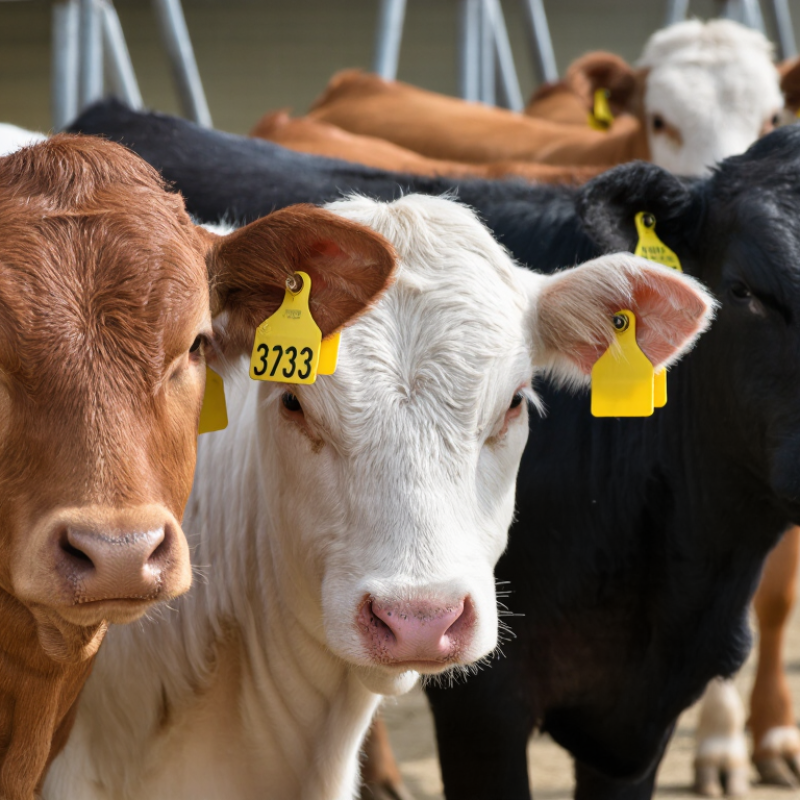
A strong cattle ear tag supplier in China starts with field experience, not a polished catalogue. FAOSTAT recorded roughly 1.5 billion cattle worldwide in 2022. That scale demands tags that survive mud, rain, sunlight, and repeated handling. Suppliers should explain their material choices clearly. UV-stabilized polyurethane, strong hinges, and smooth edges matter during daily farm work. A tag should remain readable after months of rubbing against metal fences.
Professional suppliers also understand identification standards. ISO 11784 and ISO 11785 guide electronic animal identification systems. They should offer compatible RFID options, tested reading distances, and documented batch controls. Printed numbers must match digital records exactly. A small mismatch can delay transport checks or weaken herd traceability. Buyers should request test reports, sample approvals, and production photographs. Real evidence is more useful than attractive promises.
Manufacturing capacity is another deciding factor. China-based suppliers can support custom colors, laser marking, packaging, and large-volume orders. However, low prices can hide weak plastic or inconsistent numbering. A sensible supplier shares tolerance data and keeps retained samples from each batch. One practical test is simple: bend the tag, expose it to water, then read it under poor lighting. No supplier gets everything right. Even experienced factories may need better field feedback from overseas climates. The best cooperation leaves room for correction, not just faster production.
Cattle ear tags usually fall into three groups: visual tags, electronic RFID tags, and dual identification tags. Visual tags use large, high-contrast numbers. They support quick checks across pens, trucks, and pasture gates. RFID tags store a unique electronic identity for automated scanning. Dual tags combine both methods, reducing dependence on one reading system.
The FAO reports that livestock supports the livelihoods of at least 1.3 billion people worldwide. Reliable identification therefore affects farm records, disease response, breeding, and trade. WOAH traceability guidance also highlights accurate animal movement records as a core management tool.
For global buyers, tag material matters. Flexible polyurethane can resist moisture, manure, and repeated bending. A smooth edge helps reduce rubbing around the ear hole. Strong locking systems discourage accidental loss.
Buyers should compare reading distance, memory capacity, scan speed, and compatibility with existing software. Bright colors help workers locate animals, but color can fade under strong sunlight. Some suppliers claim extreme durability, yet field performance depends on climate, fitting technique, and animal behavior. No tag is perfect. A cheaper model may fail after one harsh season, while a stronger tag may cost more than expected. Sample testing remains sensible. Check printed clarity after washing, bending, and outdoor exposure before placing a large order.
Chinese cattle ear tag suppliers typically combine injection molding, laser marking, and RFID assembly in one production line. FAO reports that livestock contributes about 40% of global agricultural output. This scale increases demand for readable, durable identification.
Manufacturing starts with UV-resistant TPU or nylon, selected for flexibility and cold-weather performance. Molds shape the visual tag, while controlled pressure reduces weak edges. RFID versions receive an embedded chip and antenna. ISO 11784 and ISO 11785 guide electronic animal identification formats and communication methods.
Quality teams test bending, pull strength, print permanence, and scanning distance. Some factories check every batch manually. That step is slow, but skipping it creates costly field failures. Customization can include farm codes, sequential numbers, barcodes, colors, and bilingual printing. Buyers should request sample approval before mass production. A small design error can affect thousands of tags.
Tips: Ask for material certificates, RFID frequency details, and a written inspection plan. Confirm whether numbering remains unique across repeat orders. Request outdoor aging and pull-test results. Do not rely on attractive samples alone. Production consistency matters more.
A 2023 FAO statistical report highlights the continuing importance of livestock systems worldwide. Therefore, suppliers should provide traceability records, not only low prices. Export packaging should protect tags from moisture, dust, and deformation.
Delivery inspection remains necessary. Even experienced buyers occasionally overlook antenna placement or unreadable font sizes. That deserves reflection.
For global cattle buyers, an ear tag is a traceability device, not merely colored plastic. The FAO reports that livestock supports the livelihoods of at least 1.3 billion people worldwide. Reliable identification therefore affects animal health records, movement control, and payment accuracy.
A capable Chinese supplier should document polymer composition, UV resistance, tear strength, and retention performance. Ask for batch numbers and independent test records. ISO 11784 and ISO 11785 define important requirements for electronic animal identification systems. However, these standards do not replace each importing country’s rules. The World Organisation for Animal Health recommends traceability systems that support animal identification, movement recording, and disease response. Printed numbers should remain readable after mud, rain, disinfectant exposure, and months of sunlight. Small details matter.
Data integrity needs equal attention. Each tag should match a verified database record, including animal number, farm, birth date, and movement history. ISO/IEC 17025 laboratory reports can strengthen confidence in testing results. Yet a certificate alone proves little if samples do not represent regular production. This is often overlooked. Buyers should request pre-shipment samples, scan tests, color checks, and retention trials before approving volume orders. RFID performance can also change around metal equipment or poor reader positioning. Clear export documentation, controlled artwork, and consistent numbering reduce avoidable disputes. The best purchasing decision is not always the lowest quotation. Reliability must survive the farm, the scanner, and the audit.
| Evaluation Dimension | Recommended Export Benchmark | Why It Matters to Global Buyers | Evidence to Request |
|---|---|---|---|
| Animal Identification Standard | RFID products should be designed for ISO 11784 and ISO 11785 animal identification requirements where electronic identification is required. | Supports compatibility with compliant readers and livestock traceability systems used in different markets. | Applicable standard declaration, technical specification, RFID protocol, and independent test reports. |
| RFID Frequency and Protocol | Low-frequency animal RFID commonly operates at 134.2 kHz and may use FDX-B or HDX technology in accordance with relevant ISO requirements. | Reduces the risk of incompatibility between ear tags, readers, and national livestock databases. | Frequency statement, protocol confirmation, read-range test, and sample scanning records. |
| Visual Identification | Laser-printed or hot-stamped identification should remain legible after normal outdoor exposure, cleaning, and handling. | Provides a practical backup when electronic reading is unavailable and supports manual herd management. | Print-resistance test, sample tags, artwork approval, and identification-number verification procedure. |
| Material Safety | Use animal-identification-grade, non-toxic, weather-resistant plastics such as suitable polyurethane or compliant polymer materials. | Helps reduce breakage, sharp edges, discoloration, and unnecessary irritation during the product’s service life. | Material declaration, safety data where applicable, restricted-substance statement, and product samples. |
| Mechanical Durability | The tag should resist routine pulling, bending, moisture, temperature changes, ultraviolet exposure, and farm handling conditions. | Fewer lost or damaged tags improve traceability continuity and reduce replacement labor. | Tensile or pull testing, flex testing, UV-aging results, temperature testing, and batch inspection records. |
| Tag Retention and Applicator Fit | Male and female components should be matched, securely locked, and compatible with the specified applicator. | Correct application lowers the chance of premature loss and helps prevent installation errors. | Applicator compatibility list, assembly drawings, retention test results, and installation instructions. |
| Traceability Data Control | Each RFID code and visual number should be unique, accurately mapped, and checked before shipment. | Prevents duplicate identifiers, data-entry mistakes, and problems during registration or herd movement. | Electronic code list, barcode or RFID scan report, reconciliation record, and pre-shipment inspection report. |
| Quality Management | A documented quality management system based on ISO 9001 principles is a strong supplier-selection benchmark. | Improves consistency in purchasing, production, inspection, corrective action, and customer complaint handling. | Current certificate, certification scope, audit information, inspection plan, and corrective-action records. |
| Batch Inspection | Inspection should cover appearance, dimensions, print accuracy, RFID reading, code uniqueness, and packaging quantity. | Provides measurable acceptance criteria before goods leave the manufacturing site. | Inspection checklist, sampling plan, certificate of conformity, and shipment release record. |
| Country or Regional Compliance | The final design, numbering format, registration process, and labeling must follow the destination country’s livestock-identification rules. | Animal-identification requirements differ by market; a product accepted in one country may not be automatically approved in another. | Destination authority specifications, importer instructions, registration approval, and compliance declaration. |
| Export Documentation | Prepare commercial invoice, packing list, transport documents, and certificate of origin when required; additional documents depend on the destination. | Complete documentation supports customs clearance and reduces shipment delays. | Draft shipping set, origin document, product specification, HS classification confirmation, and destination-specific declarations. |
| Packaging and Logistics | Use moisture-resistant packaging with clear carton labels, quantity records, lot numbers, and protection against deformation during transport. | Protects tag quality and makes receiving, counting, and warehouse traceability more efficient. | Packaging specification, carton photos, packing-list reconciliation, and shipment tracking information. |
| Pre-Shipment Approval | Approve artwork, numbering logic, RFID sample scans, material samples, packaging, and inspection criteria before mass production. | A documented approval stage reduces costly rework and non-conforming deliveries. | Signed sample approval, golden sample, approved data file, inspection standard, and change-control record. |
| After-Sales Support | Provide installation guidance, reader-testing support, replacement procedures, complaint response, and documented corrective action. | Responsive support helps maintain accurate traceability after deployment in the field. | Warranty terms, response-time commitment, troubleshooting guide, replacement policy, and corrective-action process. |
Note: Specific approval, labeling, numbering, import, and veterinary requirements should be confirmed with the competent authority and importer in the destination market before purchase.
Selecting the right cattle ear tag supplier requires more than comparing prices. Global buyers should examine material quality, production controls, and communication habits. Request samples from different batches, not only one polished sample. Check whether the tag remains readable after bending, rain, dust, and repeated handling. A clear number today may fade under strong sunlight.
Ask for technical data covering plastic composition, printing durability, RFID performance, and expected service life. Reliable suppliers can explain their testing methods and provide traceable batch records. They should also identify the production date, inspection process, and packaging details. Certificates can support credibility, but buyers must verify their scope and validity. A document alone proves little.
Evaluate the factory through video evidence, audit reports, or an independent inspection. Discuss minimum order quantities, replacement procedures, sample approval, and delivery schedules in writing. Packaging matters too. Loose tags in a wet carton may arrive scratched or unreadable. During purchasing trials, small misunderstandings about number sequences or hole positions can create costly rework. I have learned that fast replies are useful, but precise replies are better. A strong supplier asks about climate, livestock conditions, application tools, and local identification requirements. Buyers should also test a small shipment before approving large-volume production. No supplier is perfect, and neither is every evaluation plan. Recheck assumptions when field results differ from laboratory claims.
This 100-point procurement model gives the greatest emphasis to regulatory compliance, animal traceability, RFID compatibility, and proven material durability. Buyers should validate each score with samples, test reports, production records, and export documentation before placing an order.
Suppliers often use UV-resistant TPU or nylon. These materials stay flexible in cold weather. They also resist sunlight and repeated bending. Material certificates should be requested.
Custom options include farm codes, sequential numbers, barcodes, colors, and bilingual printing. Artwork should be checked carefully. A tiny font error can affect thousands of tags.
The tag body is injection molded. An RFID chip and antenna are then embedded inside. Scanning distance depends on antenna placement and reader position. Metal equipment may reduce performance.
Request bending, pull-strength, print-permanence, and scanning tests. Outdoor aging tests are also useful. Check samples after rain, mud, disinfectant, and sunlight exposure.
Each tag should match one verified database record. Confirm that repeat orders keep numbers unique. Review animal numbers, farm details, and movement records. Errors happen quietly.
Electronic systems should follow suitable identification and communication standards. Importing countries may add separate requirements. Buyers should confirm local rules before production.
Request material certificates, batch numbers, RFID frequency details, and inspection records. Independent laboratory reports can support confidence. A certificate is not magic.
Packaging should block moisture, dust, and deformation. Inspect cartons before accepting delivery. Check printed numbers, colors, scanning, and physical retention. Attractive samples prove very little.
Choosing the right China-based Cattle Ear Tag supplier requires more than comparing prices. A reliable supplier should offer durable materials, clear identification, stable production capacity, and flexible customization for different livestock management systems. Common product options include visual ear tags, electronic identification tags, and combination solutions, with features such as readable numbering, secure fastening, weather resistance, and compatibility with tracking or farm record systems.
Global buyers should also examine the supplier’s manufacturing process, quality-control procedures, traceability system, and export documentation. Consistent testing, accurate order fulfillment, and the ability to provide samples and customized designs are important indicators of professionalism. Before making a decision, buyers should evaluate product performance, communication efficiency, production lead times, packaging, after-sales support, and compliance with destination-market requirements. A supplier that combines dependable quality, transparent processes, and responsive service can provide long-term value for cattle identification and herd management.

Weinuoer