10 Best Livestock Medical Syringes for Global Buyers?

Time:2026-11-14 Author:Aria
0%

Choosing a Livestock Medical Syringe is not a small purchasing detail. It affects dose accuracy, handling speed, cleaning routines, and the animal’s experience. For global buyers, the right choice depends on species, medication volume, injection frequency, and available replacement parts. A syringe that works well for a small herd may frustrate a busy dairy or poultry operation. Details matter.

Animal-behavior expert Temple Grandin has emphasized calm, predictable livestock handling. A concise paraphrase of that guidance is: “Calm handling supports better animal care.” It is a useful reminder when comparing syringe designs. A clear barrel, smooth plunger, secure dose adjustment, and comfortable grip can help staff work steadily. But equipment alone cannot ensure good technique. Training matters, too.

This guide introduces ten livestock syringe options for buyers evaluating practical use, durability, maintenance, and supplier support. It considers reusable and disposable designs without assuming one type suits every farm. Look closely at material quality, calibration markings, needle compatibility, and instructions for cleaning or replacement. Ask suppliers about spare parts and product documentation. Small print can matter.

No single ranking fits every region or herd. Product availability, service support, and operating conditions vary. Some details may be overlooked in a quick comparison; that deserves a second look. Use this list as a starting point, then confirm suitability with a veterinarian or qualified livestock-care professional.
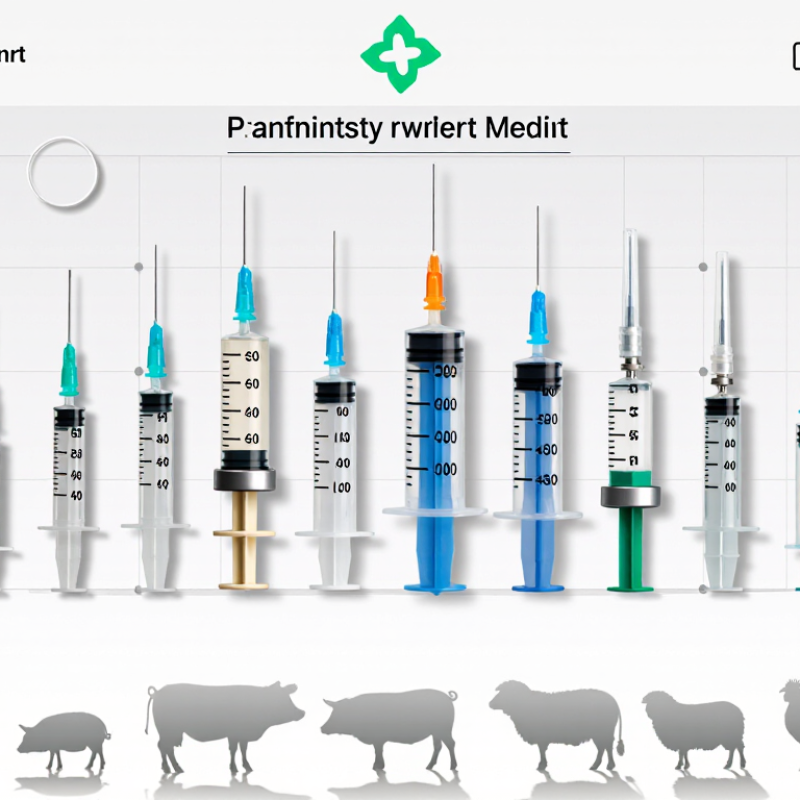
10 Best Livestock Medical Syringes for Global Buyers?

Livestock Medical Syringes: Types, Uses, and Key Features

Livestock medical syringes come in several forms, and the right choice depends on the animal, medicine, and intended route. Disposable plastic syringes suit single-use tasks and make dose markings easy to inspect. Reusable metal syringes are built for repeated handling, but need careful cleaning and maintenance. Automatic, self-refilling models can help when treating several animals, while oral dosing syringes deliver liquid by mouth. Not interchangeable. Always follow veterinary instructions and the medicine label; injectable products require the correct syringe and needle.

Tips: Check the scale before drawing a dose. Look for clear, durable graduations and a smooth plunger. Keep equipment clean, dry, and protected between uses. A tiny crack can matter.

For field work, grip and visibility count. A textured handle is easier to control with gloves, and a readable barrel helps prevent dose errors in dim barns. Match capacity to the expected dose rather than choosing the largest option by default. Inspect seals, connections, and moving parts before use. One detail is easy to miss: even a well-made syringe can give unreliable measurements if its markings are worn or the plunger sticks. Replace damaged equipment, and ask a veterinarian when the product, route, or dosage is unclear.

How to Evaluate Syringes for Livestock Treatment

A useful livestock syringe should match the animal, medicine, and dose—not just look sturdy. Start by checking its capacity and smallest readable graduation. A large barrel may be awkward when a small, precise dose is needed. Read the markings at eye level. They should be clear and resistant to wear.

Next, inspect the plunger, seal, and connection point. The plunger should move smoothly without sticking, while the seal should prevent leaks during use. Check whether the syringe accepts the required needle or dosing attachment securely. Comfort matters, too. A textured grip can help when hands are wet or gloved, but bulky handles may tire the wrist during repeated treatments. Small details count.

Cleaning and calibration deserve equal attention. Reusable syringes need care according to their instructions; disposable models should not be treated as reusable. Ask a veterinarian or qualified supplier whether the syringe suits the prescribed medicine and route of administration. Check dose accuracy periodically, especially after heavy use. It is easy to assume that a syringe remains accurate forever. That assumption can be wrong. Keep different medicines and dosing tools clearly identified, and replace cracked barrels, loose fittings, or worn seals promptly.

Livestock Syringe Capacity: Common Sizes to Compare

These are common nominal syringe capacities, not a ranking or market-share estimate. Choose a capacity that suits the prescribed dose and allows accurate measurement; availability and graduations vary by syringe.

10 Leading Livestock Medical Syringes for Global Buyers

10 Leading Livestock Medical Syringes for Global Buyers

Global buyers can compare ten useful syringe formats: disposable plastic, reusable glass, and stainless-steel models. Other options include automatic self-filling, adjustable-dose, fixed-dose, multi-dose, oral drench, luer-lock, and slip-tip syringes. Each serves a different handling routine. The best fit depends on the animal, product viscosity, and required dose range, not just purchase price.

Check graduations against the intended dose, and inspect the barrel for clear markings. A plunger should move smoothly without leaking or sticking. Small details matter. Needle compatibility, seal availability, and ease of cleaning can affect daily use. For oral dosing, a drench format may be more practical than an injection syringe. Follow product instructions and veterinary guidance for use and cleaning.

For international purchasing, ask suppliers about replacement parts, material specifications, packaging, and consistent calibration. These details are more useful than a broad claim of “heavy-duty” construction. Reusable models may reduce disposable waste, but they require reliable cleaning and maintenance. Disposable models can simplify handling, yet create more waste. There is no perfect choice. A syringe that looks suitable in a catalogue may feel awkward with gloves or in a busy pen, so practical evaluation is worth the extra step.

Matching Syringe Designs to Animals and Applications

Matching Syringe Designs to Animals and Applications

The right livestock syringe depends on the animal, dose volume, and treatment route. A small-volume syringe with clear graduations can help deliver precise doses to young animals. For cattle or sheep, a larger-capacity syringe may reduce repeated refilling during routine care. But capacity alone is not a useful buying guide. Fit matters. Check that the barrel markings suit the dose range and remain easy to read under barn lighting. The needle connection should also match the intended application and the veterinarian’s instructions.

Tips: Compare graduations, plunger movement, and cleaning requirements before purchasing. For repeated dosing, a multi-dose design can save time, but it needs careful calibration and maintenance. Keep a dedicated, clearly labeled syringe for each product or treatment task. Small details count.

Consider materials and handling conditions, too. A sturdy barrel can tolerate regular use, while smooth plunger movement helps reduce hand fatigue during busy work. Check whether components can be cleaned as directed, and replace worn or damaged parts. Follow veterinary guidance for the medication, dose, route, and needle selection; animal size alone does not determine these choices. A specification sheet may look convincing, yet real handling can feel different with cold hands or a restless animal. Test usability before buying in quantity.

Safety, Cleaning, and Maintenance of Livestock Syringes

10 Best Livestock Medical Syringes for Global Buyers?

Safety, Cleaning, and Maintenance of Livestock Syringes

A reliable livestock syringe should feel smooth, seal well, and suit the intended dose. Before use, check the barrel for cracks and the plunger for sticking. Confirm that measurement markings remain clear. A worn seal can cause leakage or inaccurate dosing. Keep syringes clean, dry, and stored away from dust, feed, and direct heat. Small details matter. Follow the medication label and your veterinarian’s instructions; never guess a dose because markings are hard to read.

Tips: Clean reusable syringes promptly, using the method recommended for that device and medication. Rinse away residue, then let parts dry fully before reassembly. Do not boil, soak, or use strong cleaners unless the manufacturer says they are suitable. Use a separate, clearly identified syringe when needed to prevent residue mixing. Disposable syringes should not be treated as reusable.

Before each session, inspect the needle connection and replace damaged or blunt parts. Handle needles carefully, and place used sharps in an appropriate puncture-resistant container. Keep a simple maintenance log: note cleaning dates, visible wear, and any sticking or leakage. Routines can slip on busy farms; a quick check beside the medicine cabinet helps, though it is easy to overlook. When a syringe still behaves inconsistently, set it aside and seek qualified advice.

FAQS

How do I choose the right syringe capacity?

Match capacity to the expected dose range. A large barrel can be awkward when measuring a small amount. Bigger is not always better.

Why do clear graduations matter?

Read the markings at eye level, especially in dim barn light. Choose graduations that are easy to see and resist wear. Tiny marks can be frustrating.

What should I check on the plunger and seal?

The plunger should move smoothly without sticking. The seal should prevent leaks during use. Check both before treatment.

How can I tell whether a syringe fits the intended application?

Confirm that its connection accepts the required needle or dosing attachment securely. Ask a veterinarian whether the syringe suits the prescribed medicine and route.

Are multi-dose syringes a good choice for repeated treatments?

They can reduce refilling during routine work. They also need careful calibration and maintenance. That extra step is easy to underestimate.

What should I consider about grip and comfort?

A textured grip may help with wet or gloved hands. Bulky handles can tire the wrist during repeated treatments. Try the feel before buying several.

How should I clean and maintain a syringe?

Follow the care instructions for reusable models. Do not treat disposable models as reusable. Replace cracked barrels, loose fittings, or worn seals promptly.

How often should syringe accuracy be checked?

Check dose accuracy periodically, especially after heavy use. Do not assume a syringe stays accurate forever. It may not.

Should animal size determine the dose and needle choice?

No. Animal size alone does not determine the dose, route, or needle selection. Follow veterinary guidance and the medicine’s instructions.

Conclusion

This guide explains the main types of livestock medical syringes, their common uses, and the features that matter when choosing equipment for animal care. It outlines practical factors such as capacity, dosing accuracy, durability, ease of handling, and compatibility with different treatments. The comparison of ten leading syringe designs helps global buyers understand how options may vary, while emphasizing that suitability depends on the intended application and the animals being treated.

Choosing the right Livestock Medical Syringe means matching its design to the animal’s size, treatment needs, and frequency of use. The guide also covers safe handling, cleaning, inspection, and routine maintenance to support reliable performance and reduce cross-contamination risks. By considering these points together, buyers and livestock caregivers can make informed choices and use syringes more effectively in day-to-day animal care.


Aria

Aria

Aria is a dedicated marketing professional with a deep passion for innovative strategies and a keen understanding of our company's product offerings. With a wealth of experience in the industry, Aria excels at crafting engaging content that highlights the unique features and benefits of our......